
Sensory Semiotics™: How to decode ‘emotional wellbeing’ in snacking

November 25, 2025
Sensory Semiotics™ is Huxly’s expert-led methodology designed to help brands build future-proofed competitive advantage through intentional innovation. Here we explore how we could apply it to a typical challenge...
When it comes to understanding how people snack, traditional research tells us a lot: the anecdotes behind comfort foods, the rituals of a midday treat, the words people use to describe indulgence or restraint. But some aspects of snacking, especially those related to emotional wellbeing, are less easily put into words. They exist in the realm of the senses, in subtle signals and unspoken cues. This is where Sensory Semiotics™ comes in, offering a richer, more nuanced lens for R&D teams seeking to decode why, how, and when snacks become more than just food.
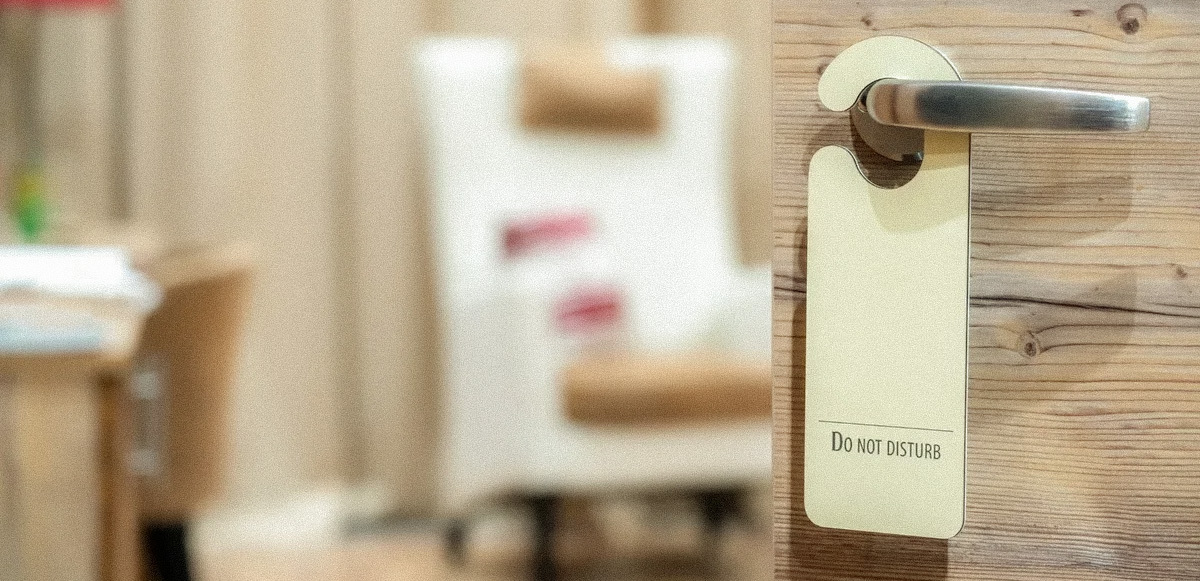
The challenge: Cracking the emotional code of snacking to truly differentiate
Imagine the everyday act of reaching for a snack. It can be a moment of comfort, a mini escape from the day’s chaos, a private ritual that says, “Do Not Disturb.” This sign, a literal or metaphorical boundary between the self and the outside world, embodies the potential meaning of snacking moments. The “Do Not Disturb” metaphor goes beyond privacy to signalling a need for emotional recharge, a pause for self-care, and/or a desire for sensory immersion.
In research, participants might describe snacking as “a treat,” “a break,” or “a reward”. But these words don’t give the full picture. Sensory Semiotics™ goes deeper, asking: ‘What are the smells, textures and sounds that say “comfort” or “escape”?’, ‘How does the packaging design, the crinkle of a wrapper, or the scent of chocolate communicate a boundary against external distractions?’
How we answer these questions.
Sensory Semiotics™ expands the scope and type of enquiry beyond what people say, encompassing what they sense and signal, often unconsciously. This means:
Observing environments: Not just in the home, but in public, at work, or during travel. Where are “Do Not Disturb” boundaries most needed or often signalled in snacking? Starbucks has designed its cafés to feel like personal sanctuaries, offering customers a sensory pause from busy city life through soothing music, warm lighting, and comforting aromas.
Analysing signifiers: Looking at colours, materials, sounds and even shapes on packaging and products that communicate snacking’s emotional functions. Pringles’ signature tube, with its smooth curves and gentle popping sound, signals controlled indulgence and a sense of order, while Walkers Sensations evoke sophistication with dark, matte packaging and evocative flavour cues.
Mapping sensory journeys: Charting the cues (visual, olfactory, tactile) that come before, during and after the act of snacking, and how these support emotional wellbeing. Lindt Lindor truffles, for instance, use their silky, melt-in-the-mouth texture and crinkly, elegant wrappers to turn snacking into an immersive, private moment.
Decoding rituals: From the way people open a packet to the spot they retreat to, what sensory markers create a temporary sanctuary? Ben & Jerry’s chunky ice cream in a pint tub is often eaten straight from the container, encouraging a comforting, solo ritual that aligns with “Do Not Disturb” self-care moments.
Greater clarity and tangibility for ‘what next?’
Through a sensory semiotic approach, Huxly has already helped R&D teams move from a world of articulated needs to one of felt experiences. They can design snacks and experiences that not only taste good, but feel right, responding to emotional needs and signalling to consumers, “This moment is yours; do not disturb.”
It’s about building products that recognise and harness the deeper semiotic codes at work in everyday life, unlocking powerful new opportunities for wellbeing and connection. For example, Magnum ice cream has built an entire proposition around indulgence and personal reward, with the deep crack of its chocolate shell acting as a sensory cue for a well-deserved, undisturbed moment.
Final Thoughts
We all need ways to reliably tap into emotional wellbeing! But when the boundaries between the self and the world are difficult to maintain. Sensory Semiotics™ offers a way to listen to (and critically, act on!) what’s left unsaid. For R&D teams, this means tuning to the language of the senses and using relevant metaphors like “Do Not Disturb” to more intentionally shape moments of comfort, escape and joy through culturally enriched product design.