The codes of the good life: designing non-alc for sophisticated drinkers
Projects
September 2025
Our sister agency MMR has recently published their Growth Spaces – What Next For Alcohol? report. Here we reflect on the missing link highlighted between consumer expectations and the reality of how non-alcoholic drinks taste – and explore how to overcome the barrier through semiotics to truly unlock this category.
What next for alcohol?
Semiotics helps us bridge the gap between the reality of a product’s sensory experience and the expectations set by the brand and pack. The format itself communicates a story before a sip is taken, signaling is this like wine, like beer, or something entirely new? It does this through familiar category cues or intentional departures from them. And it ensures that the brand attracts the right consumer: one whose values and mindset align with what’s being promised.
Let’s look at two brands that were born non-alc and how they’ve used that clean slate to define precise values and mindsets around social drinking. This is still a niche category, so winning with tight, clearly defined segments may be the best way to gain traction.
Society De La Rassi
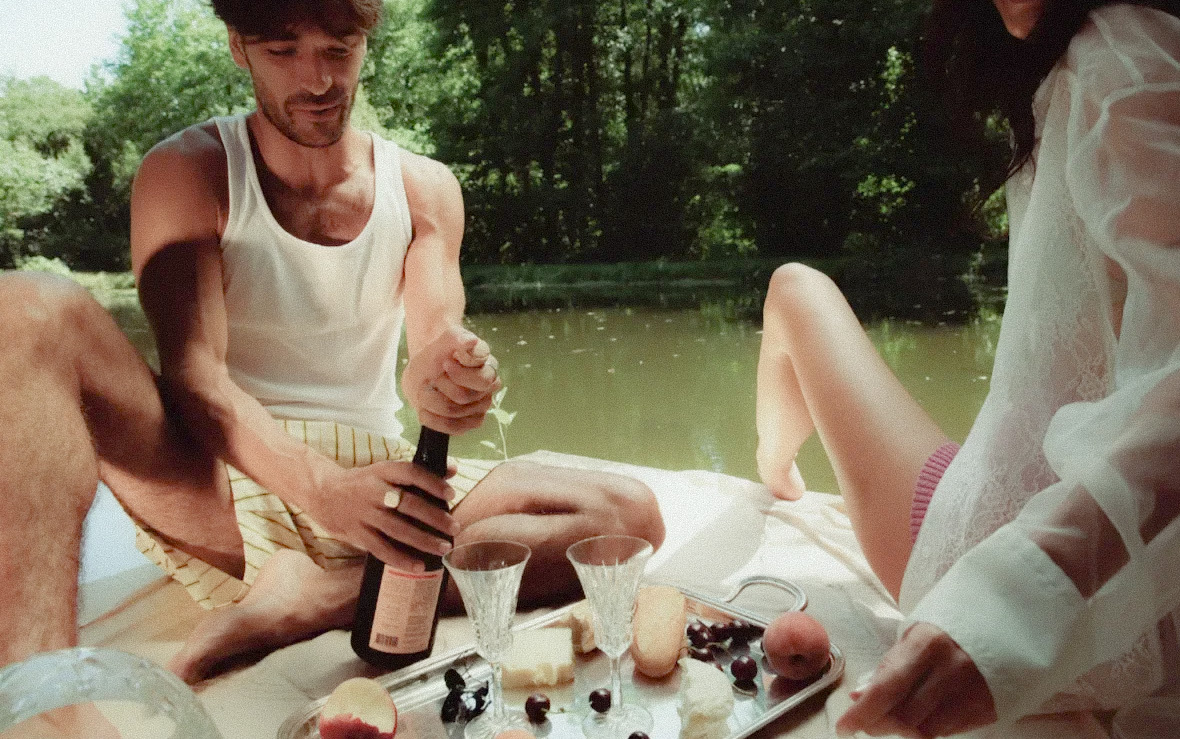
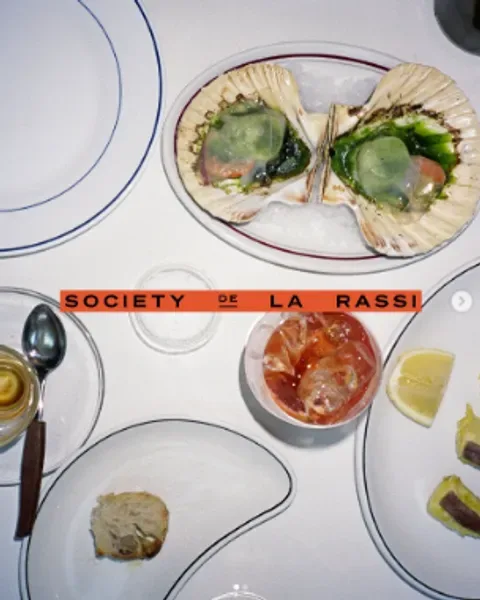
Society De La Rassi is a premium non-alcoholic sparkling wine between New York and Madrid. Their world is pure fashion fantasy: saturated color palettes, jaunty camera angles, beautiful people high on life in laid-back yet meticulously styled settings. The bottle lives in a “minimalist heritage” aesthetic — it could be a convent relic from Spain or a 2023 homage to the good life.
This is old money chic meets contemporary mindful living, where the high comes from good company and good taste. The target here is the urbane hedonist, the kind of person who still loves the mythology of wine but now wants the social sparkle without the next-day haze. Semiotically, the brand obscures the sensory comparison to champagne by leaning into ritual (ice buckets, fine dining, art-world chatter) so that the act of serving, glassware, and setting do the heavy lifting. The taste is interpreted through the lens of the occasion.


Muri
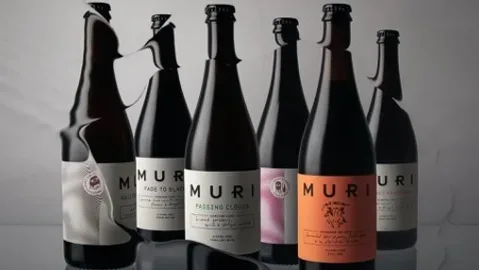
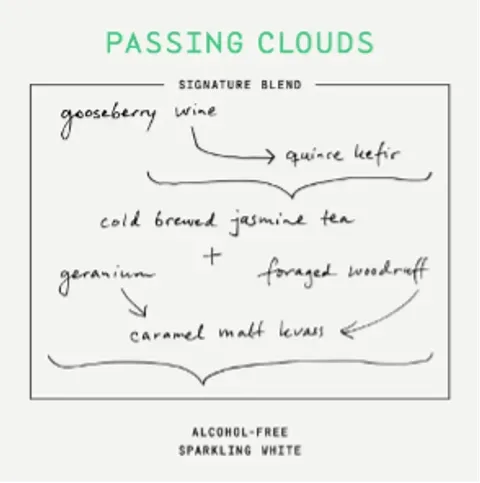
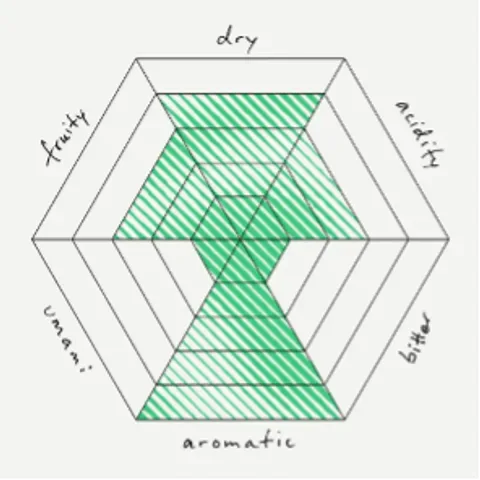
Muri, by contrast, is a Copenhagen-based blendery that sidesteps the word “wine” altogether. Their range is simply red, white, and rosé, with each name backed by a precise sensory map e.g. “fermented gooseberry, quince, foraged woodruff” paired with oysters or ceviche.
Our take on Muri
Here, the target is the sober-curious foodie with disposable income and a palate for invention. These consumers value craftsmanship and creativity over replication of wine’s exact sensory profile. The semiotic play flips conventional wisdom: without ABV, more wild techniques are possible, unlocking an entirely new category logic.
Both brands build on wine’s enduring myths of sophistication, curation, the good life, while reframing them for today. They reassure drinkers that the magic of wine lies not in the alcohol, but in the shared mindset of appreciation and curation. This makes them ideal for consumers who already see themselves as discerning and socially expressive, but want to rewrite the story they’re telling about themselves through what’s in their glass.
Supporting non-alc innovation
So, how can semiotics support non-alcoholic innovation?
It starts by asking:
- Who is our target consumer? What rituals, mindsets, norms, perceptions, and narratives do they bring from the category?
- Which of these carry positive meaning we want to build on, and which should be left behind or reinvented?
- How can familiar symbols be retained but have their meanings subtly shifted?
Semiotics then decodes the embedded myths: where they come from, which symbols and language they use, and where new codes can validate emerging values.
The key, especially when the product doesn’t taste exactly like the full-ABV version, is avoiding a wholesale break from every cue in the category, which risks disappointment. From the first interaction, consumers should:
- Feel reassured by familiar category forms — they know when to drink it, how to open and pour (e.g., bottle format, glass type).
- Sense a difference that primes them for a new sensory reality — maybe the label takes up space differently, or the closure feels unusual.
- See themselves reflected — their values around socializing, enjoyment, and food are mirrored back in the brand’s visual and verbal language.
Semiotics is the bridge: it preserves just enough familiarity to anchor expectations, while signaling difference in a way that excites curiosity rather than disappointment.
If you’d like to find out how semiotics can support your non-alcoholic innovation, get in touch with Megan, our Director of Semiotics & Culture at Huxly at megan@huxlyglobal.com
Click here for free access to the Growth Spaces eBook.