The Japanisation lesson: KitKat as a case study for localising joy, not localising chocolate

July 2026
July 2026
The funny thing about Japanese KitKats is that they're not really a chocolate bar anymore. They're a cultural playground of possibility.
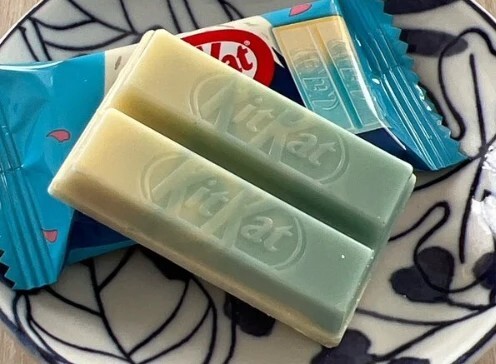
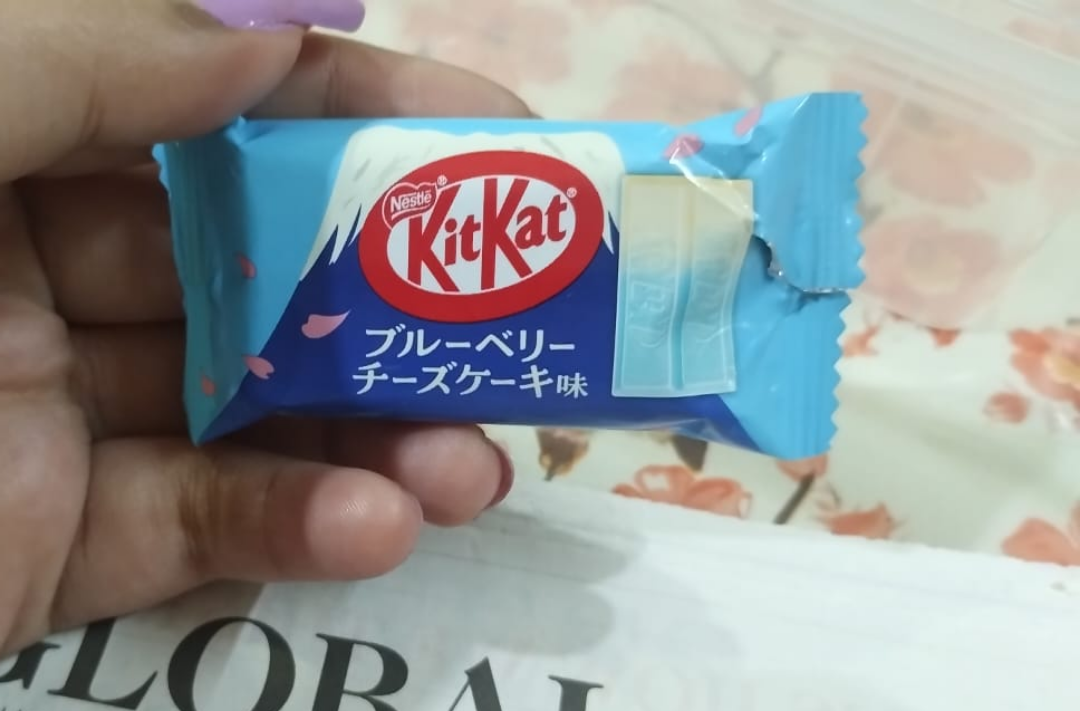
Japan has transformed KitKat from a snack into a treasure hunt. Hundreds of flavours have appeared over the years: matcha, sake, sweet potato, yuzu, wasabi, cheesecake. Some are delicious, some are baffling, and that's partly the point. Each new flavour offers a moment of curiosity. What does wasabi taste like when wrapped in white chocolate? There's only one way to find out.
When you think about it, KitKat is actually a rare example of a western brand that’s successfully made itself locally relevant in this region.
So, what’s the key to its success, and what lessons can other brands learn?
KitKat’s winning strategy
Nestlé Japan's Olivier Jakubowicz is refreshingly blunt about how they’ve managed to delight consumers locally: "Any global brand that wants to truly become integrated in Japan has to Japanise itself," he told the floor at FBIF in Hangzhou.
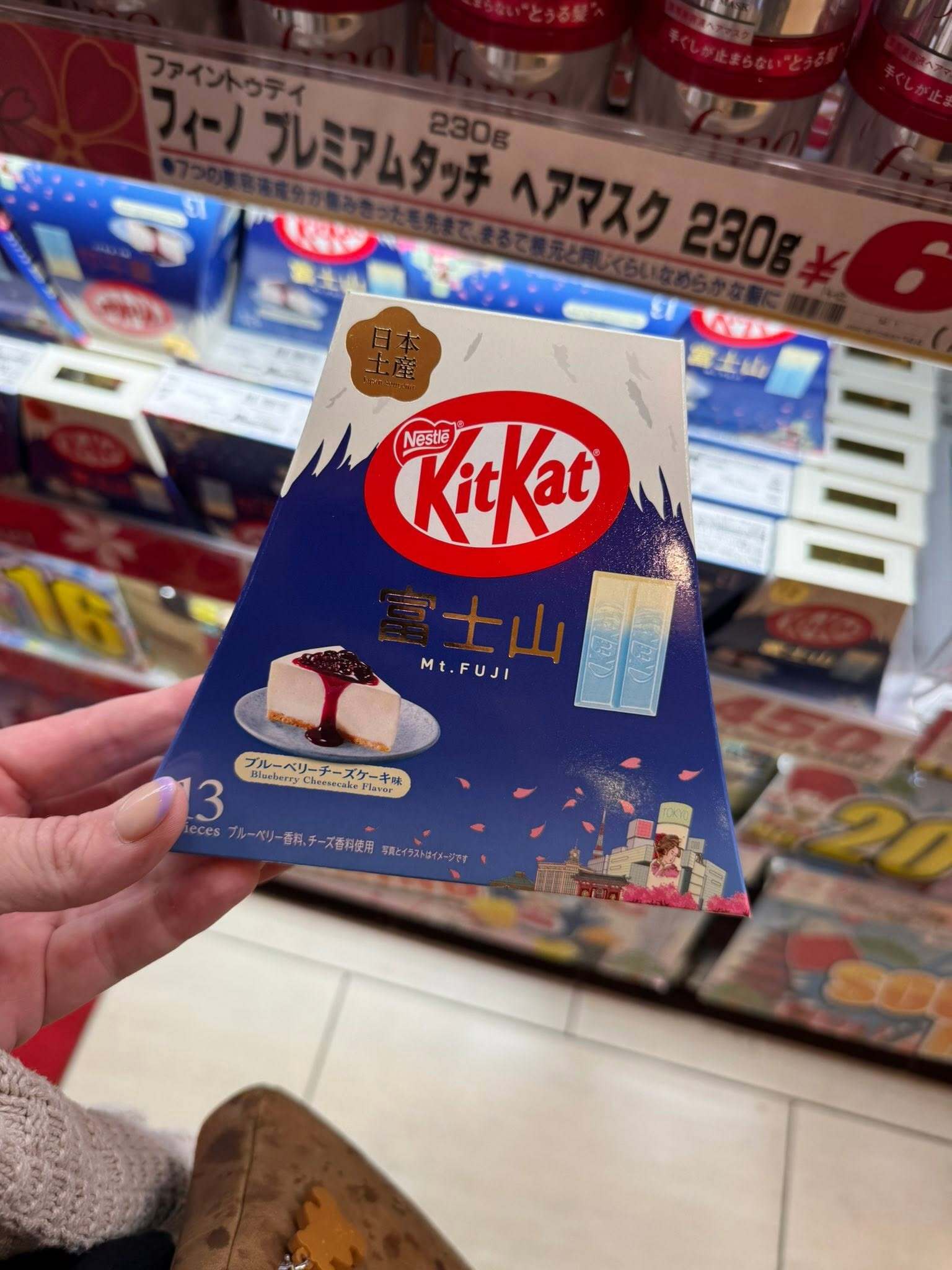
What's instructive is what Japanisation isn't. It isn't matcha KitKats. It isn't a Japanese face on a Western billboard. It is a complete re-engineering of positioning, innovation pipeline and route to market around three deeply local cultural moments.
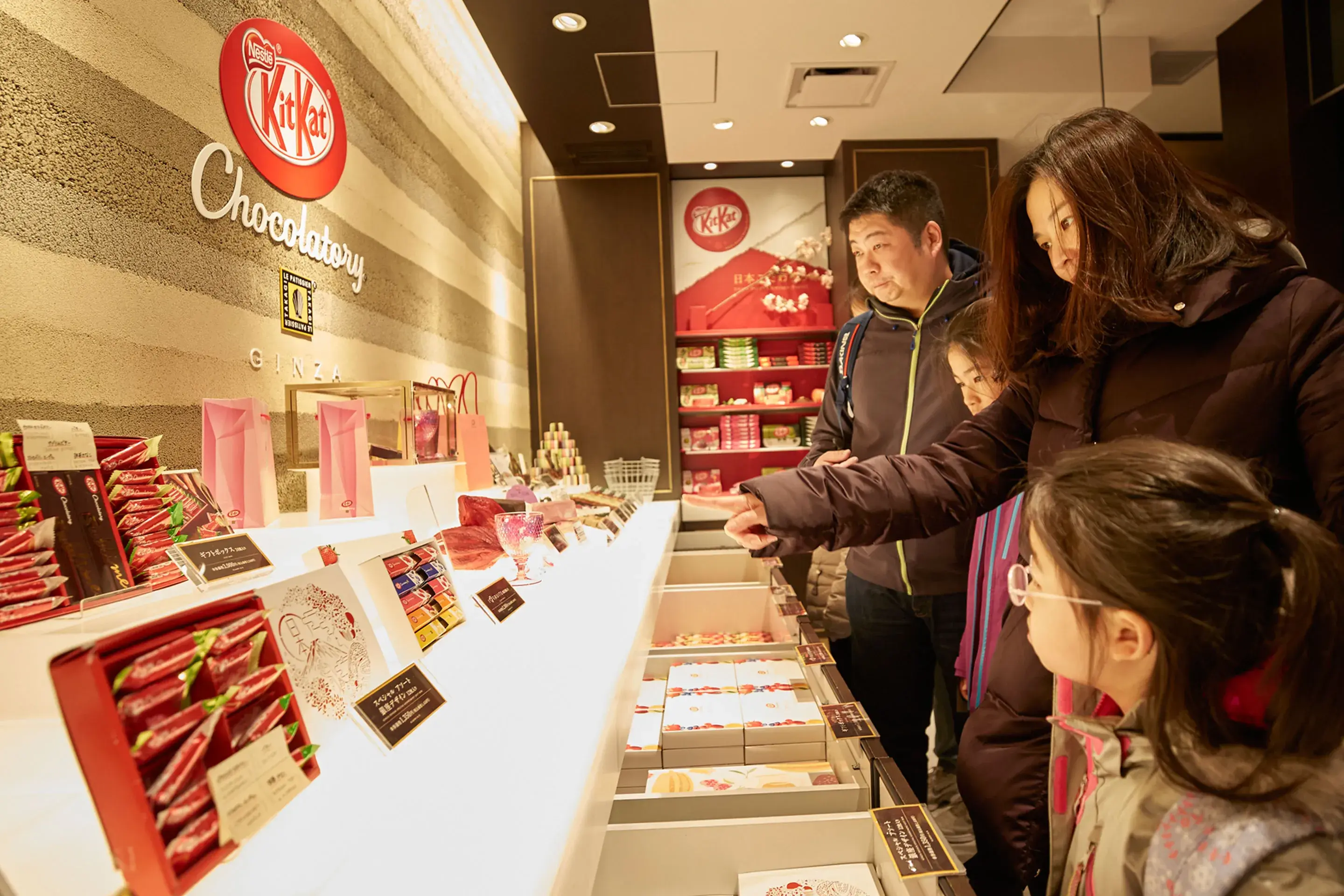
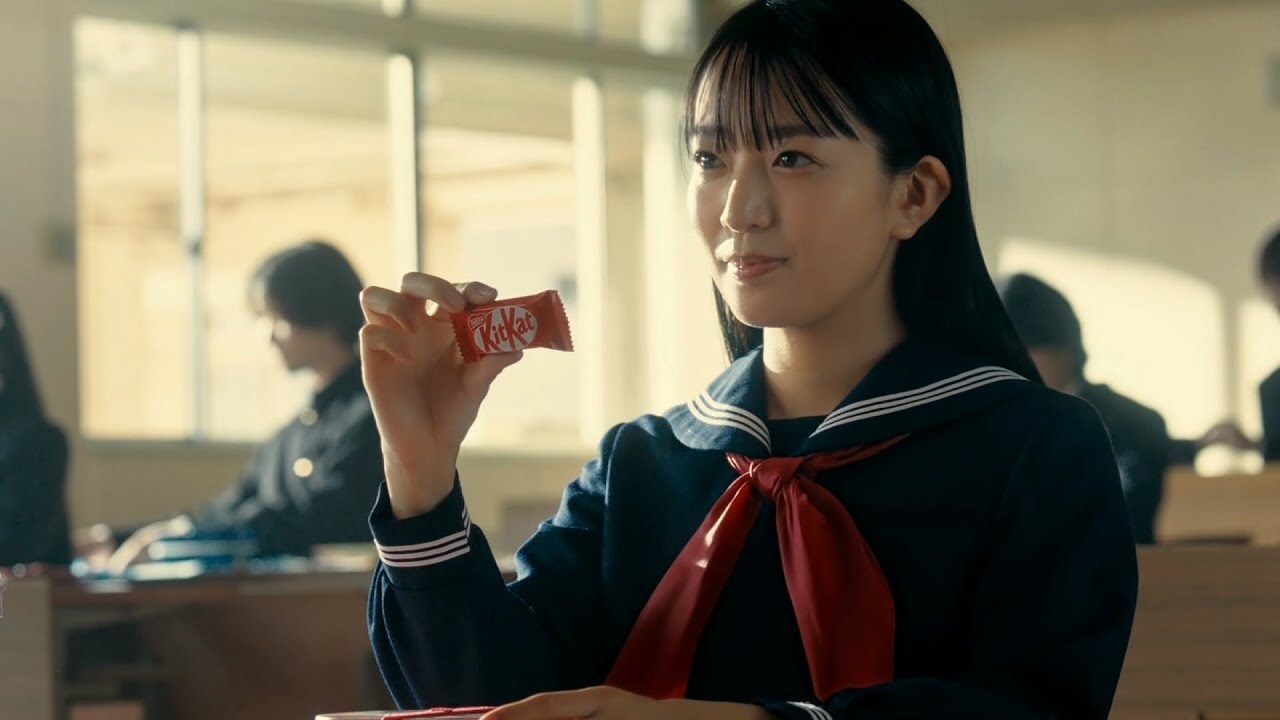
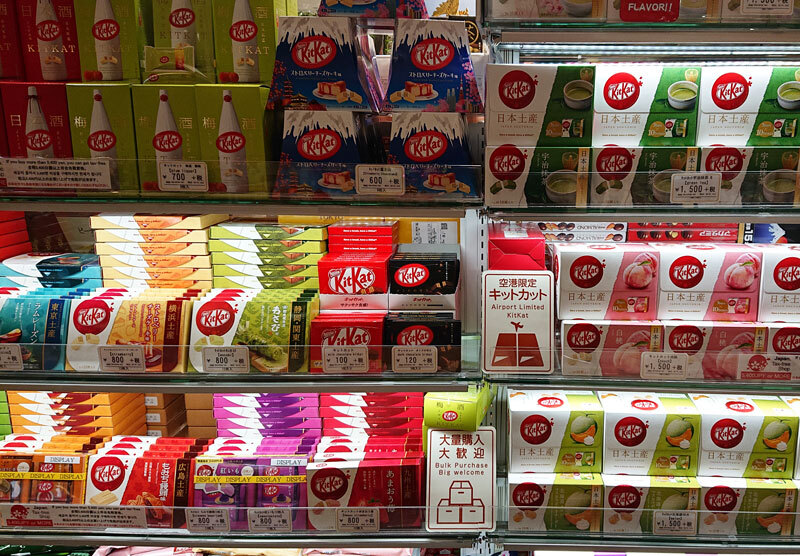
For KitKat, this plays out via Shun (seasonal respect), Omiyage (regional gifting), and a Valentine's Day that, in Japan, behaves more like Christmas. It is the discovery that "Have a break, have a KitKat" simply does not work in a culture where parents cannot say "good luck" to their child before an exam, and that "Kitto Katsu" - surely win - does.
And it is the willingness to design 400 to 500 flavours, not as a stunt, but as a system that lets the brand show up in every Japanese consumer's calendar.
Ways of working
Three critical evolutions in Asia should influence regional innovation strategies, from how people shop to local pride.
Cultural confidence. So-called ‘China-Maxxing’ points to local pride more than just being a meme. Eighty-six percent of Chinese and 83% of Southeast Asian shoppers intend to buy more luxury from Asian brands, and 75% of APAC Gen Zs and Alphas take pride in the region's global cultural influence. Asian brands are no longer apologising for their heritage at the border, but are awakening its potential as an asset!
Speed of meaning. While Western R&D pipelines can take 18 months to authorise a flavour, Chinese F&B has been forged in an ‘involution’ so brutal that survival depends on creating, testing and re-platforming products in weeks.
Native digital fluency. TikTok Shop now accounts for around 50% of B2C e-commerce GMV in Indonesia and Thailand. And as JK Wang argued on our Impact Makers episode, the next shopping rail - AI agents that are increasingly making purchase decisions on the consumer's behalf - will reward brands that are easy to recommend.
So what can Western brands actually do with all of this?
Stop translating. Ask not, ‘how do we tweak our hero SKU for Vietnam,’ but ‘what occasion, ritual or unspoken cultural tension would justify a different product entirely?’ KitKat became Kitto Katsu by adjusting a pack by listening to an exam-week sales spike and trusting it.
Treat sensory and emotional design as commercial strategy, not creative finish. The conscious indulgence consumer want a product that earns its indulgence… through texture, ritual, format and meaning.
Premiumise through cultural credibility, not through provenance claims. Western brands have leant on ‘imported’ and ‘authentic’ as proxies for premium. Premium now means understood. KitKat is premium in Japan because it shows up at the entrance exam, the seasonal moment and the family reunion.
And learn from the brands coming the other way. Watch how Anta, Chagee, Aice, Mixue and Luckin enter new markets. They are following the KitKat model in reverse, and they are doing it faster, cheaper and with more cultural conviction than most Western brands have shown in a decade.
Nestlé didn't win by exporting a global product into Japan. It won by turning KitKat into something uniquely Japanese: a seasonal ritual, a good-luck charm, a souvenir and a small source of everyday joy.
Sensational Advantage is found in creating products so woven into local habits, rituals and emotions that consumers can't imagine the category without them.