M&S is having a moment. But why does it feel so right?
November 2026
A Huxly take on the cultural, sensory and behavioral forces behind the brand’s resurgence.
There are moments when a brand seems to be everywhere. Right now, in Britain, that brand is Marks & Spencer.
For a retailer that has spent more than a century on the British high street, M&S suddenly feels remarkably current. It's in our fashion feeds and Christmas conversations. It’s in the queues of people desperate to get their hands on oven-fresh Cornflake Cookies. Kathryn Turner, Director of Product Development at M&S, has become an unlikely social media star, and new Foodhall launches now play out as TikTok events.
The numbers back up the buzz, too. M&S's 2026 annual report puts group revenue at £17.3bn, with a 4.1% share of food and 10.2% of fashion. YouGov BrandIndex ranks it number one for style.
But perhaps the more interesting question isn't ‘what is M&S doing differently?’
It's ‘why does so much of it feel right, right now?’
At Huxly, we specialize in unpicking what sits underneath visible trends: the shifts in culture, behavior, desire and sensory experience that explain why something captures attention in the first place.
So, I sent our team a provocation: why does M&S feel like it's having a moment, and what's really going on underneath it?
And viewed through the Huxly lens, the M&S moment gets much more interesting.
1. Familiarity has become an asset, not a constraint
For heritage brands, familiarity can become a trap. Move too slowly and you become irrelevant. Change too dramatically and you discard precisely the things people loved about you. M&S seems increasingly comfortable occupying the tension between the two.
Megan Bourner-Powell, Huxly Director of Semiotics & Culture said:
There’s a type of humor that’s becoming part of the M&S brand… You get the sense it’s found its vibe and moment, a place it’s comfortable with… They’ve hit the sweet spot of knowing who they are. All the parts are coming together now.
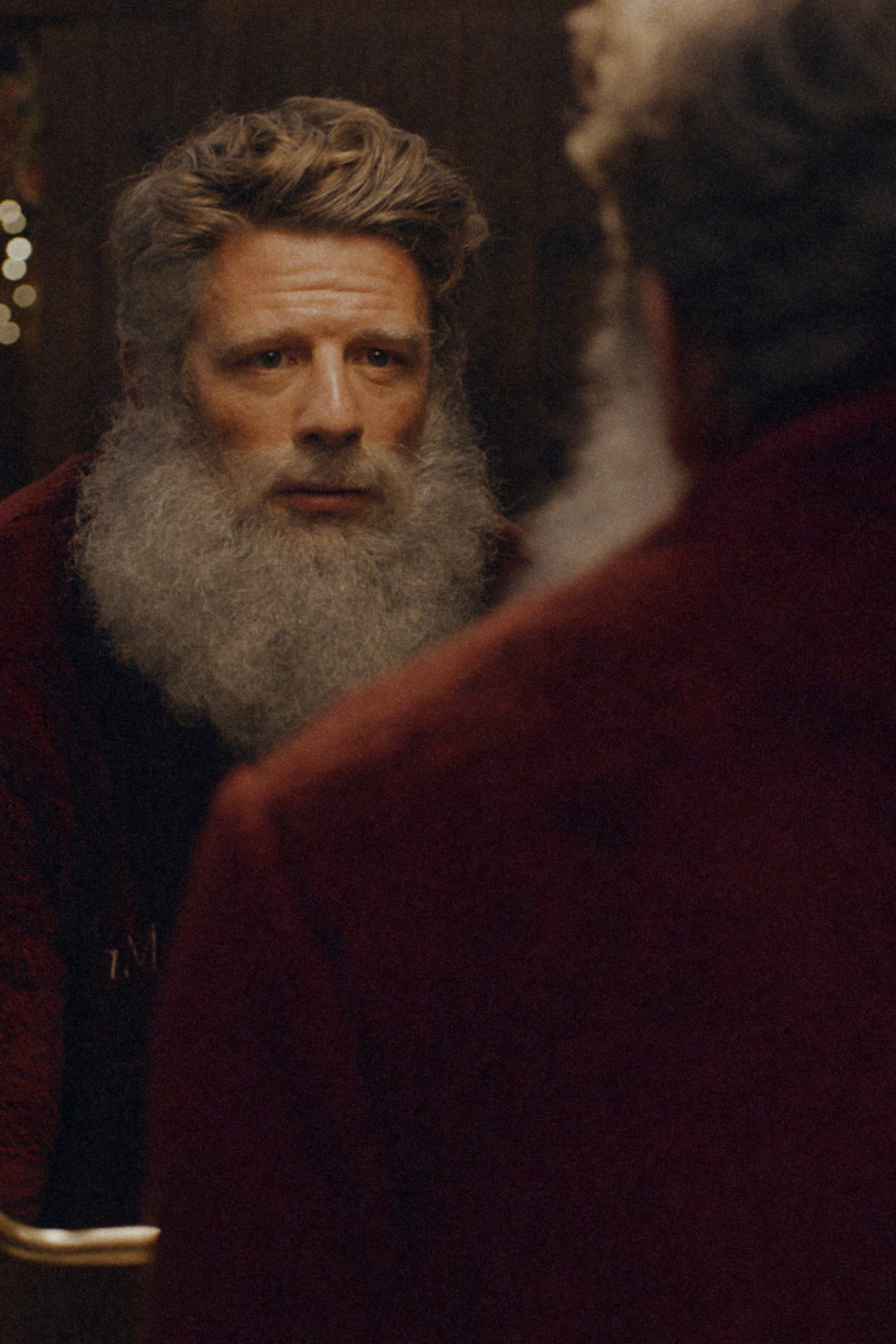
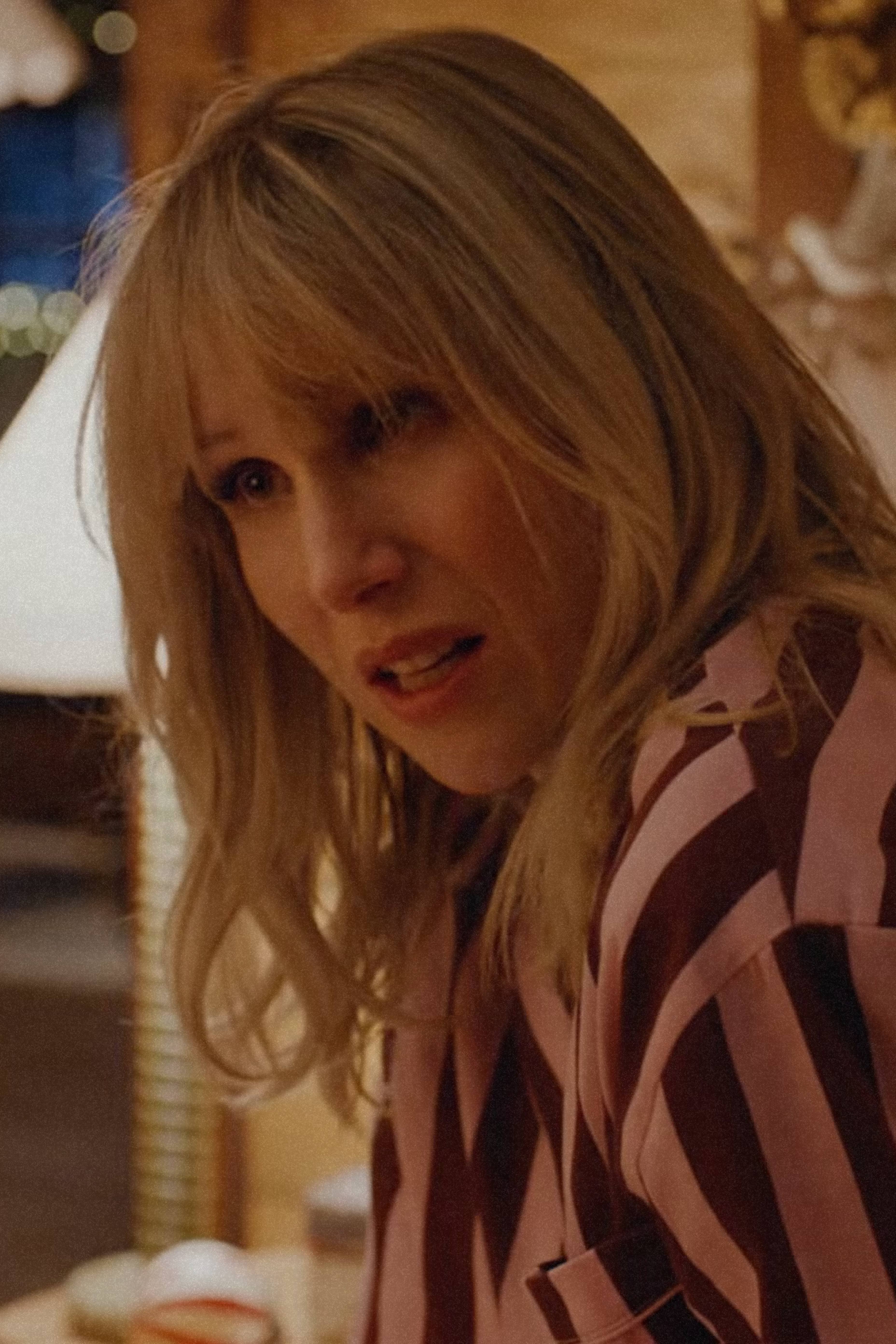
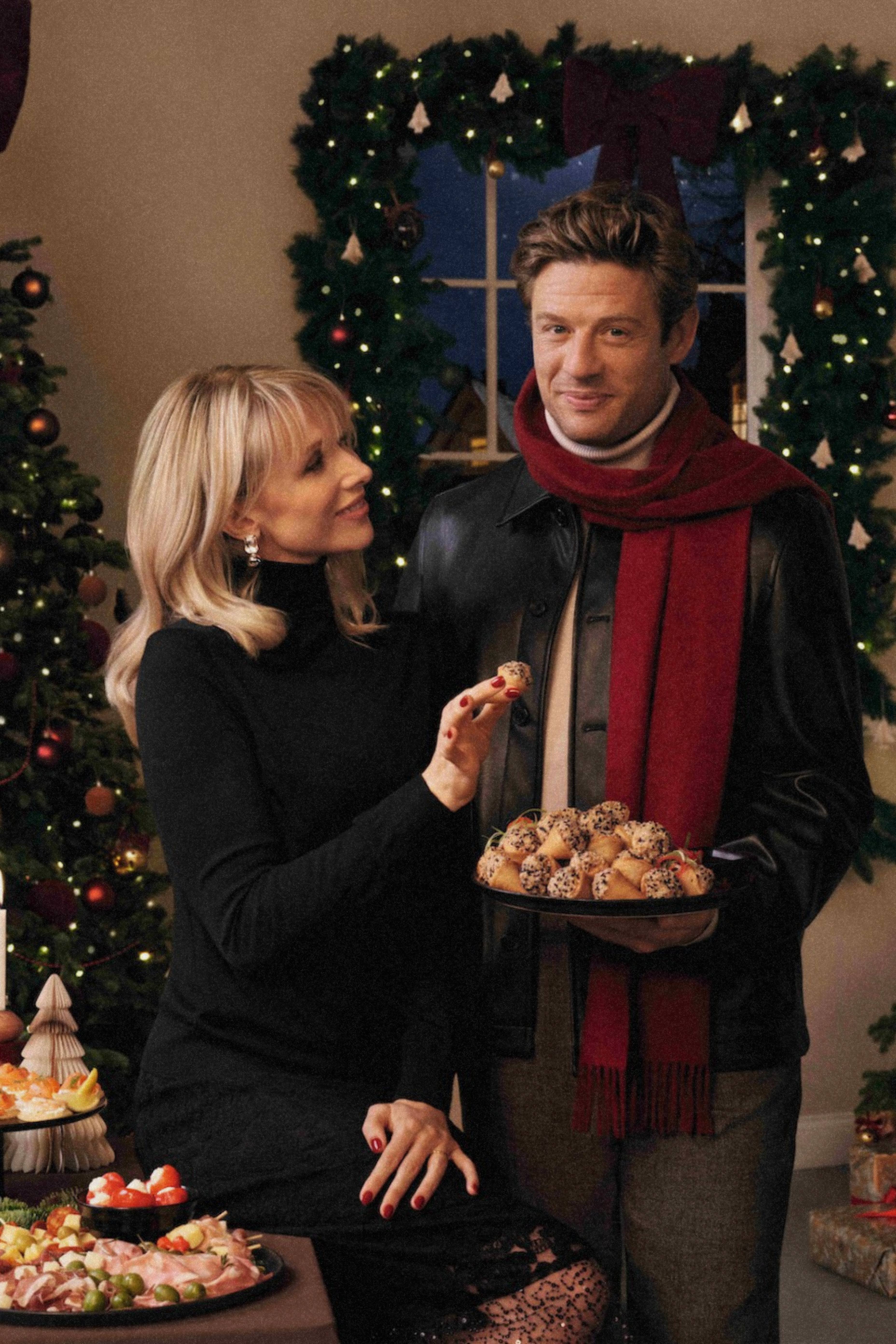
The team's observation was that the brand is currently managing to feel safe, comforting and familiar, but also exciting at the same time. Its Christmas activity is one manifestation of that. Rather than abandoning familiar British festive codes, M&S appears to be playing with them: recognizable humor, familiar faces, nostalgia and the rituals people already associate with Christmas, but presented with enough surprise to feel culturally current.
That's significant.
In uncertain times, familiarity reduces the work a brand asks consumers to do. We already know what M&S means. We know its quality cues, its place on the high street and the role it plays in British life.
So, novelty doesn't have to replace familiarity. It can sit on top of it.
That gives M&S permission to stretch without requiring people to relearn the brand every time it does.
The cultural advantage here isn't reinvention. It's renewed relevance.
2. Expertise has become more compelling than influence
Then there's Kathryn Turner.
Her rise is interesting partly because she doesn't follow the conventional rules of brand influence. M&S hasn't manufactured an influencer and asked her to sell products. It has put someone who has spent decades making them in front of the camera.
Since stepping into the social spotlight in May 2026, Turner's audience has grown to more than 360,000 TikTok followers and 350,000 on Instagram. Her format remains remarkably simple: new products, personal favorites, development stories and glimpses behind the scenes.
As Megan observed, Kathryn Turner has “become a British cultural icon”, but part of the fascination is also the opportunity “to see behind the scenes of how product development happens.”
When she explains the thinking behind a product, talks to the chefs involved or simply tastes something she's excited about, Kathryn’s expertise and enthusiasm become part of the product experience itself.
At a time when we are surrounded by optimized feeds, influencer partnerships and increasingly synthetic content, ‘polished’ isn't necessarily the strongest signal of credibility anymore. Specificity can be. Knowledge can be. A real person visibly caring about whether a biscuit tastes good can be.
There may be another cultural shift underneath Turner's appeal, too. One of our team members wondered whether we're witnessing a broader repositioning:
Gen X women feel overlooked as drivers of culture… Kathryn is showing that Gen X can lead rather than catch up later.
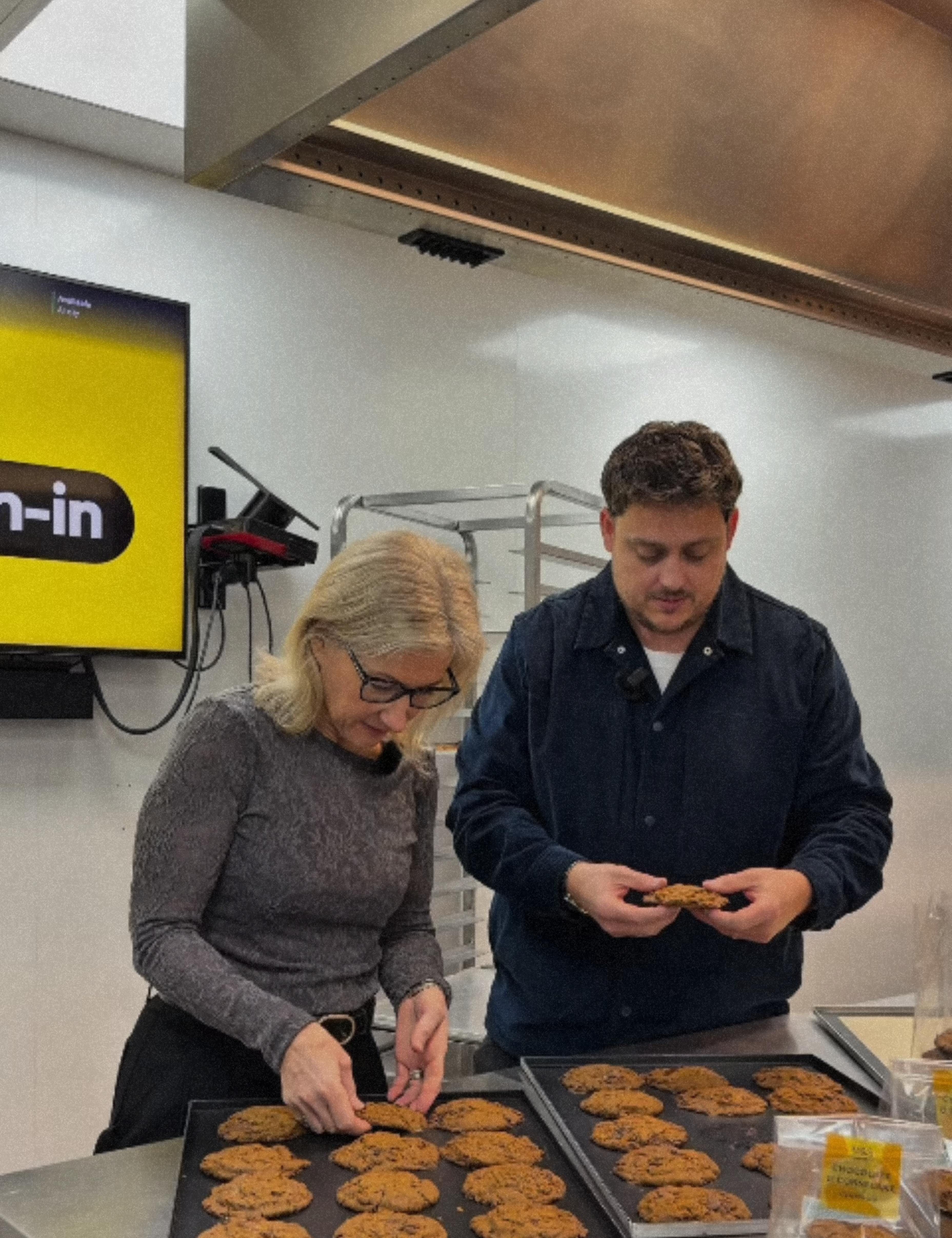
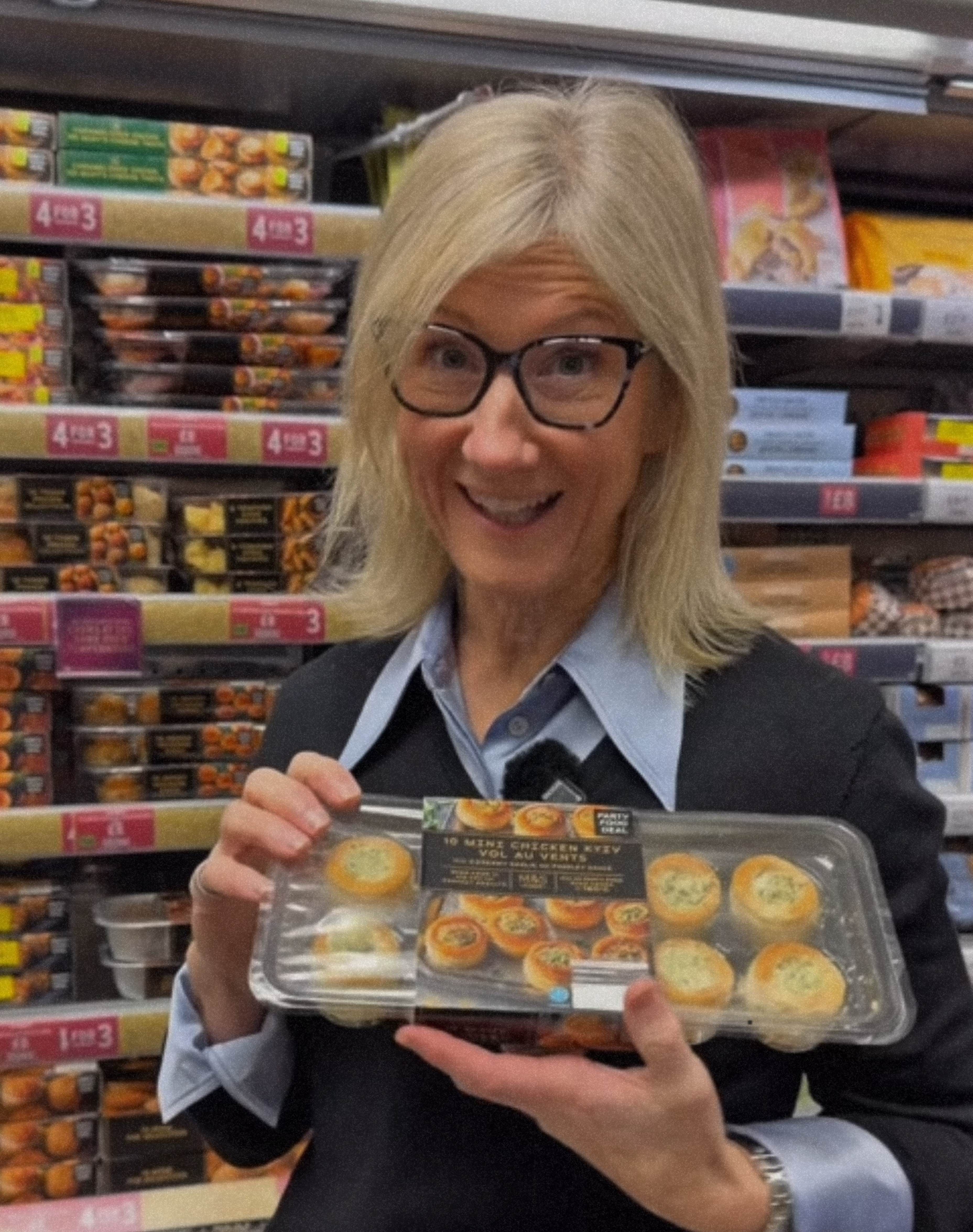
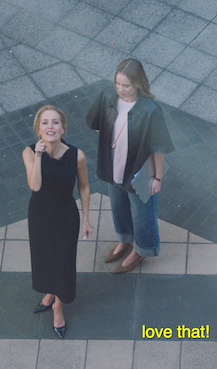
Kathryn Turner isn't the only example. M&S has also put Gillian Anderson at the heart of its Love That fashion platform, appointing her as their first ‘Chief Compliments Officer’, and Katherine Jenkins as the voice of their 2026 Christmas TV advert.
Together, they suggest something more interesting than a brand simply trying to appeal to younger shoppers: a confidence that style, influence and cultural relevance don't have an age limit.
3. There’s a lot more than flavor packed into five cookies
That brings us to the food itself.
One of the clearest examples of the ‘M&S effect’ has been its Chocolate & Cornflake Cookies. Launched in November at £3.25 for five, Turner's video about it reportedly exceeded 2.5 million views, with queues forming around bakery counters as people tried to get hold of it.
Simply calling that a ‘viral product’ misses half the story.
Food offers something the algorithm cannot: anticipation followed by a physical, multisensory payoff. You see the cookie online. You hear someone describe it. You watch somebody break it open. You imagine its crunch, chew, sweetness and texture. Then you seek it out and experience it yourself.
That sequence turns content into appetite, and appetite into behavior.
But the purchase also operates at another level. A £3.25 bag of cookies is accessible enough to be spontaneous, yet distinctive enough to feel like a little event. Recent commentary has connected the rise of the M&S Foodhall to precisely this form of affordable indulgence: when larger luxuries feel harder to justify, a small food purchase can deliver novelty, reward and participation at relatively low cost.
Suddenly the cookie isn't just a cookie. It's a recommendation, a hunt, a sensory reward and something to talk about afterwards.
That's a lot of cultural value packed into five cookies.
4. The store is becoming somewhere to browse again
The same principle extends beyond individual products.
Ellie Dent, Director of Design Strategy, described losing hours in the Oxford Street Foodhall:
There’s a café, sushi counter, a space in the middle with cheese… a really beautiful, rustic, organic, fresh-market feel. They’re trying to make you linger and stay.
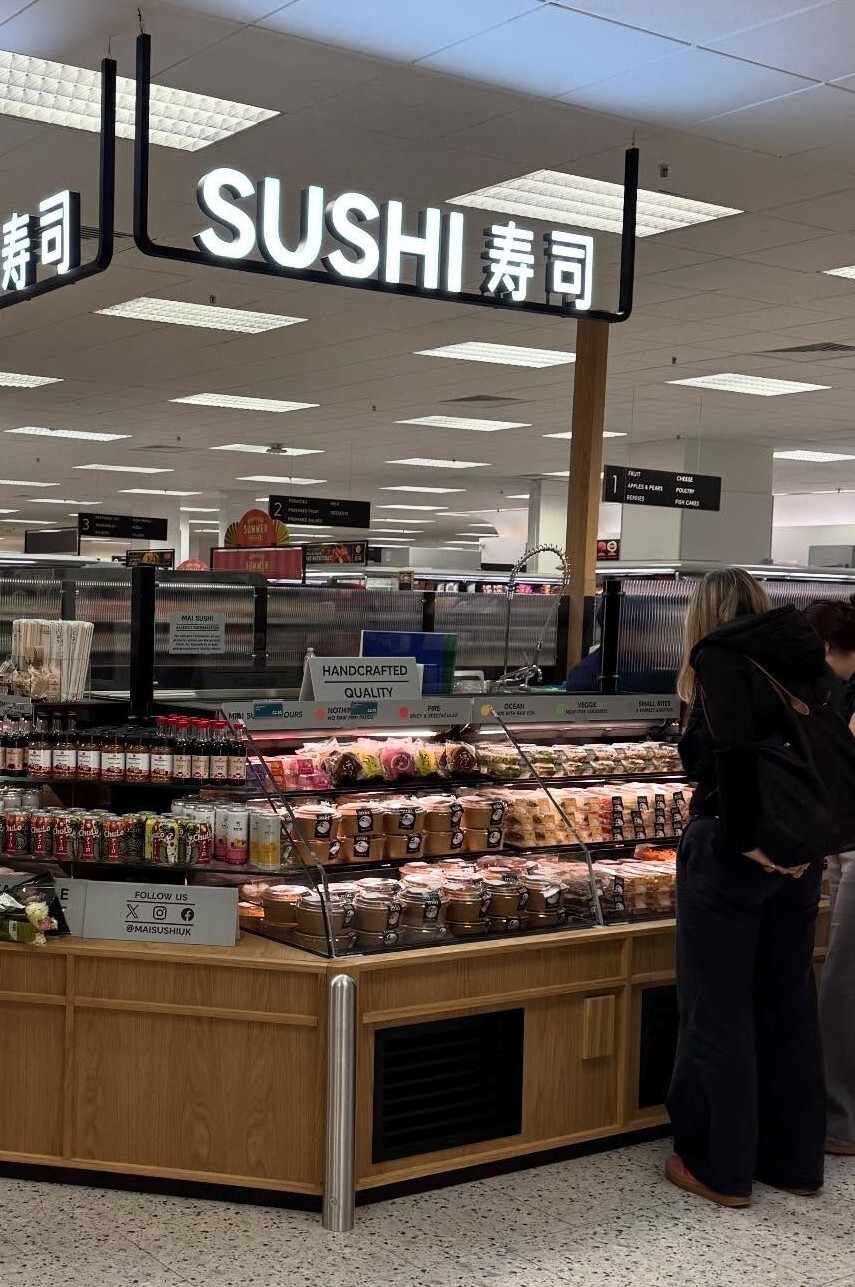
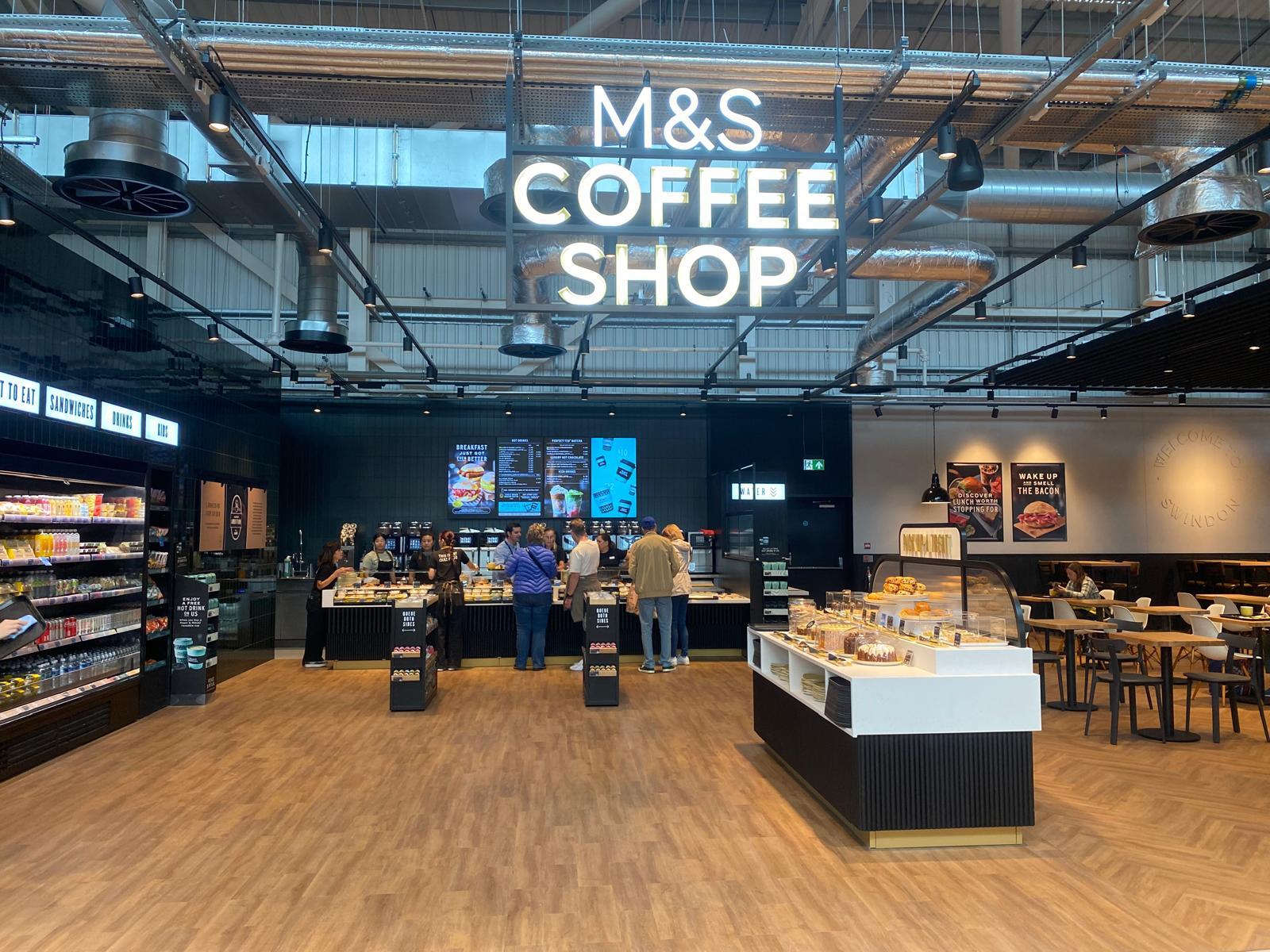
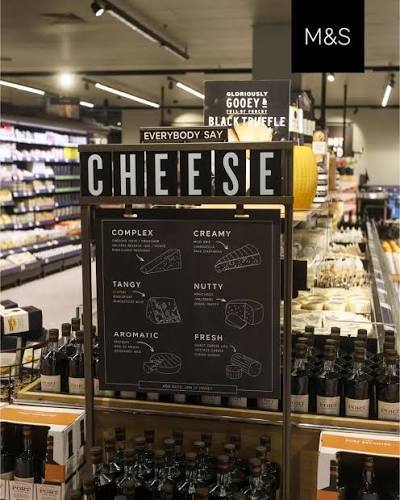
That instinct to linger feels important, because brand experience isn't only communicated. It's inhabited.
M&S has said it is investing in the physical estate too. Its 2026 reporting highlights 12 new Food stores and three new Full Line stores during the year, while its London investment program alone involves more than £90m across 17 new and renewed locations.
The interesting question is what those environments encourage people to do.
When the supermarket becomes somewhere to explore rather than simply complete a shop, dwell time becomes discovery. Discovery creates temptation. And physical retail gives people encounters that an ecommerce recommendation engine cannot entirely reproduce: seeing, smelling, touching, tasting and stumbling across something you didn't arrive intending to buy.
The strongest stores don't simply make products easy to find.
They make finding things pleasurable.
5. M&S isn't choosing between relevance and distinctiveness
Perhaps this is where the different parts of the story finally come together.
M&S is moving quickly. Its product development is tapping into changing behaviors around gut health, indulgence, nutrient density and new formats. Fashion feels considerably more current. Stores are evolving. Social content increasingly works at the pace of internet culture.
Megan summed it up perfectly, “NPD is fast so they can respond to consumer behavior shifts rather than react to competitors.”
And that difference matters, because speed alone isn't the advantage. Loads of brands can chase the same ingredient, aesthetic or TikTok format.
The more difficult thing is making an emerging behavior feel unmistakably yours.
M&S appears increasingly good at filtering what's changing through a very clear understanding of what people already expect from M&S: quality, generosity, pleasure, Britishness, accessibility and a little bit of indulgence.
So, the old and the new aren't fighting one another. They're making one another more powerful.
The real M&S moment is coherence.
Zoom out and perhaps that's the most interesting thing happening.
There isn't one campaign, creator or viral cookie responsible for the M&S moment. It's the fact that different encounters increasingly tell a compatible story.
A piece of clothing appearing unexpectedly on a fashion creator. A product developer enthusiastically revealing what she's been working on. A Christmas film that knows exactly which cultural buttons to press. A Foodhall designed to make you browse. A new product that feels current but unmistakably M&S.
Each experience strengthens the next.
That is close to what we mean at Huxly when we talk about Sensational Advantage: when culture, emotion, sensory experience and strategy aren't treated as separate layers of a brand, but work together to create something people instinctively understand, remember and choose.
We don’t choose brands rationally first. We respond through our guts, our senses and our memories, and rationalize those decisions afterwards.
M&S hasn't simply made itself more visible. It's made itself more feelable.
And that’s something any brand watching from the sidelines should pay attention to.
Because you can borrow a TikTok format. You can hire an influencer. You can launch the trending flavor. You can redesign a store. What you can't easily copy is a collection of experiences that all feel intuitively like they came from the same brand.
Maybe that's why M&S isn't simply having a ‘moment’. It finally feels like all the parts of M&S are having the same one.
Want your brand to have a moment of its own? Get in touch and let’s make it happen.